Plant Proteins for Every Plate
 December 7, 2025
 0
0
 0
0

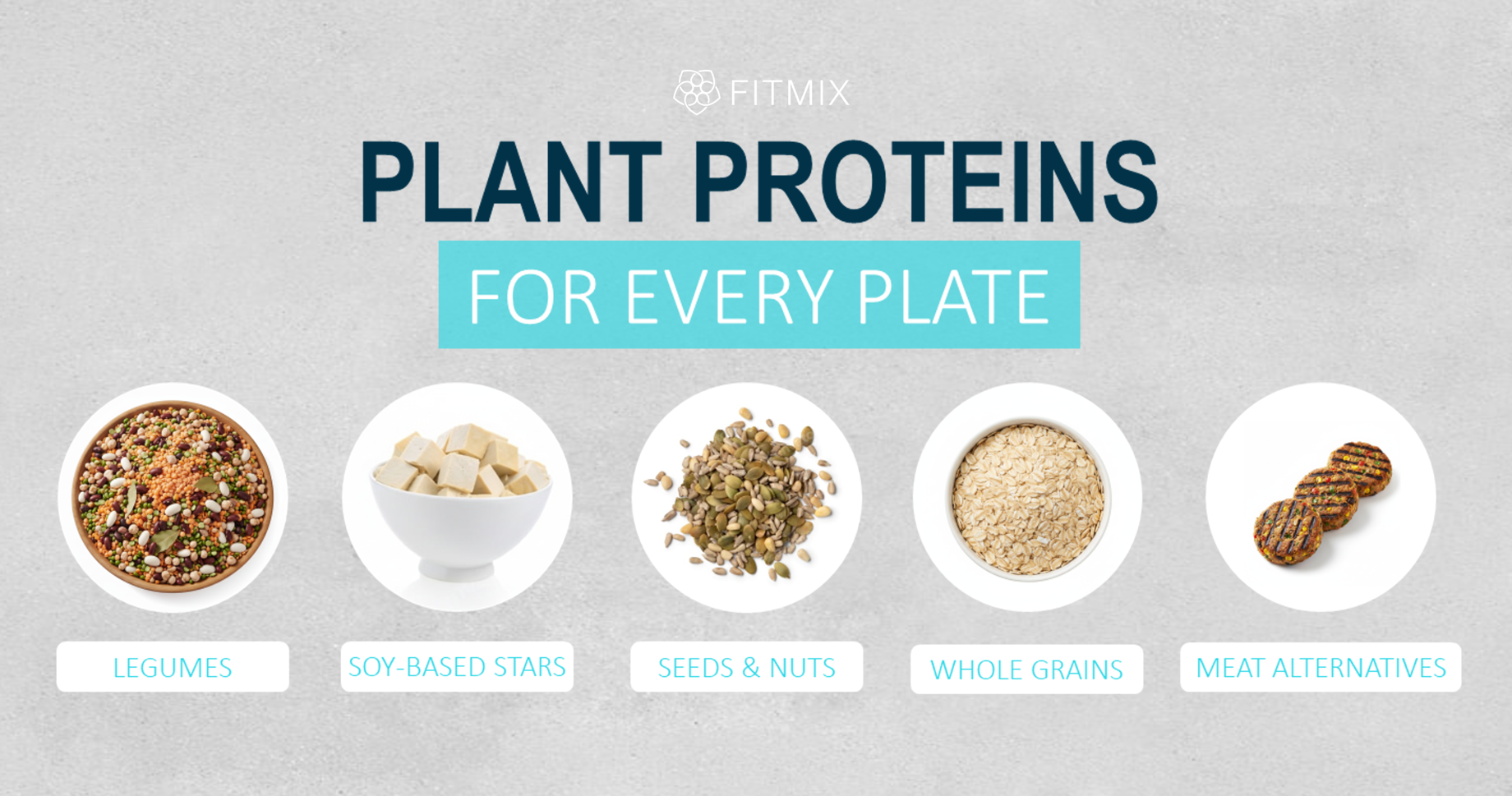
As plant-based eating continues to grow in popularity, 2025 brings exciting options for those seeking solid nutrition without animal products. Whether following a vegan, vegetarian, flexitarian, or omnivore diet, plant-based proteins are more accessible, delicious, and varied than ever making it easier for everyone to meet their protein needs while supporting health and sustainability.
Essential Plant Proteins for Every Plate
The best plant-based protein sources for 2025 aren’t just trendy. They’re backed by nutrition science and loved for their versatility. Let’s highlight the top picks for boosting protein intake in any diet.
- Legumes: Beans, Lentils, Chickpeas
- Black beans, lentils, and chickpeas deliver 6-9 grams of protein per half cup, plus fiber, antioxidants, and minerals.
- These foods work in salads, stews, burgers, and with grains for complete meals.
- Soy-Based Stars: Tofu, Tempeh, Edamame
- Tofu and tempeh are packed with up to 18 grams per serving and offer all essential amino acids, making them complete sources.
- Edamame, fresh from the pod, provides 9 grams per half cup along with iron and folate.
- Seeds and Nuts: Hemp, Pumpkin, Sunflower, Peanut Butter
- Hemp seeds (over 9g/3 tbsp), pumpkin seeds (8g/oz), sunflower seeds (5g/oz), and peanut butter (7g/2 tbsp) are protein-dense and rich in healthy fats.
- Add them to smoothies, oatmeal, or healthy snacks.
- Whole Grains: Quinoa, Oats
- Quinoa delivers 8 grams per cup and is a rare grain with complete protein. Oats offer about 11 grams per cup and are easy to prepare as part of bowls, muffins, and pancakes.
- Meat Alternatives: Seitan, Plant-Based Powders, Veggie Patties
- Seitan delivers 15-25g per serving but is not gluten-free.
- 2025’s protein powders (such as those using pea, brown rice, and chia) are increasingly complete and accessible for shakes or cooking.
- Ready-made vegan patties use beans, seeds, and grains, creating tasty, high-protein options for sandwiches and quick meals.
Choosing the Right Protein for Your Needs
Not all plant proteins are created equal. Consider dietary needs and preferences:
- Gluten-free eaters should choose soy, legumes, and grains like quinoa over seitan.
- Powder blends using pea, chia, and mung bean (such as Orgain or NGX Bodyfuel) offer convenience, digestibility, and complete protein profiles for busy schedules.
- Nuts and seeds help round out nutrition with healthy fats and micronutrients for heart and brain health.
Putting Plant Protein into Practice
Adding more plant protein is simple in 2025. Try these easy swaps:
- Use tofu or tempeh in stir-fries and scrambles instead of meat.
- Make oat or quinoa bowls for breakfast, topped with nut butters or seeds.
- Prepare bean-based salads, lentil stews, and chickpea patties for lunch or dinner.
- Blend a protein powder into smoothies, or use it in baking for extra nutrition.
The Future: Planet-Friendly, Powerful Nutrition
With so many options available in 2025, plant-based eaters no longer have to worry about meeting their protein goals or missing out on great taste. Whichever diet is preferred, adding legumes, seeds, whole grains, and innovative plant-based products means embracing a way of eating that’s nutritious, delicious, and good for the planet.
The best plant protein sources of 2025 include beans, lentils, soy products, seeds, nuts, whole grains, and new powders and patties. These foods fuel strength and wellness for every type of eater and bring exciting variety to every meal.
Subscribe to My Newsletter
Fill your email below to subscribe to my newsletter
Comments (00)
Be the first to comment!
Leave a Reply
Your email address will not be published. Required fields are marked *
Related posts

3 Healthy Breakfast Ideas
Feb 01, 2026
Functional Nutrition - Foods That Boost Everyday Performance
Nov 16, 2025
Intermittent Fasting 101
Mar 29, 2025
3 Healthy Recipes to Fuel Your Workouts
Mar 22, 2025