Rest Days: Why Doing Nothing is Something
 February 8, 2026
 0
0
 0
0

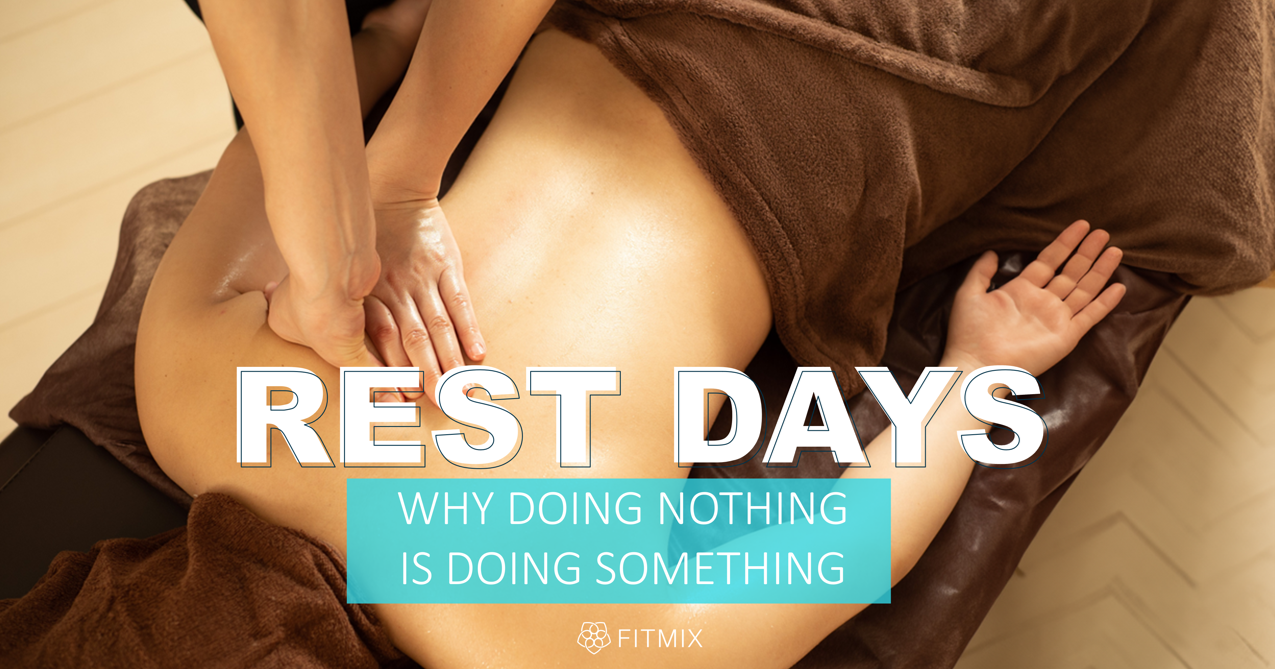
Let's be honest: rest days can feel wrong. You've built momentum, you're seeing progress, and then your training plan tells you to… do nothing? For many fitness enthusiasts, rest days feel like wasted opportunities, like you're somehow falling behind or losing the gains you've worked so hard to build.
But here's the truth that might change how you view recovery: your muscles don't grow in the gym. They grow when you rest.
Understanding the science behind rest days can transform them from guilt-inducing breaks into the secret weapon in your fitness arsenal. Let's break down why doing nothing is actually doing everything.
What Actually Happens on Rest Days
The Breakdown and Rebuild Cycle
When you work out, you're creating microscopic tears in your muscle fibers. This sounds destructive, and in a way, it is—but it's controlled destruction with a purpose. These micro-tears trigger your body's repair response, and during rest, your body doesn't just patch up the damage. It overcompensates, building the muscle back slightly stronger and more resilient than before.
This process is called "supercompensation," and it only happens during recovery, not during training.
Your Nervous System Needs Time Off Too
Beyond muscle repair, your central nervous system (CNS) needs recovery. Every heavy lift, every sprint, every intense workout taxes your CNS. Think of it like your brain's battery depleting. Without adequate rest, CNS fatigue accumulates, leading to:
- Decreased coordination and motor control
- Slower reaction times
- Reduced strength output (even though your muscles are capable)
- Mental fog and lack of motivation
Rest days allow your nervous system to recharge, ensuring you can actually access the strength and power you've built.
The Science of Recovery: What Research Tells Us
Protein Synthesis Peaks During Rest
Studies show that muscle protein synthesis—the process of building new muscle tissue—remains elevated for 24-48 hours after resistance training. This means your body is actively building muscle for up to two full days after your workout, as long as you're providing adequate nutrition and rest.
Working out too frequently without rest can actually interfere with this process, cutting short the muscle-building window.
Glycogen Restoration Takes Time
Your muscles store carbohydrates as glycogen, which serves as your primary fuel source during intense exercise. Depleting glycogen stores is normal during workouts, but replenishing them takes 24-48 hours, depending on the intensity of your training and your carbohydrate intake.
Training on depleted glycogen leads to subpar performance, decreased training quality, and potentially muscle breakdown as your body searches for alternative fuel sources.
Hormonal Balance Requires Recovery
Intense training temporarily spikes cortisol (your stress hormone) while suppressing testosterone and growth hormone production. While this is normal in the short term, chronic training without adequate rest keeps cortisol elevated, which can:
- Increase fat storage, particularly around the midsection
- Suppress immune function
- Interfere with sleep quality
- Promote muscle breakdown instead of growth
Rest days help restore hormonal balance, allowing anabolic (muscle-building) hormones to do their job.
How Many Rest Days Do You Actually Need?
The answer depends on several factors:
Training Intensity and Volume
- High-intensity training (heavy weights, HIIT, sprints): 2-3 rest days per week
- Moderate intensity: 1-2 rest days per week
- Low intensity or beginner level: 1-2 rest days per week
Training Experience
- Beginners: Need more frequent rest (2-3 days per week) as their bodies adapt to new stimulus
- Intermediate lifters: Can often handle more frequency with proper programming
- Advanced athletes: May need more rest despite conditioning, due to the intensity they can generate
Age and Recovery Capacity
- Recovery capacity generally decreases with age
- Athletes over 40 may benefit from additional rest days or active recovery
- Sleep quality, stress levels, and nutrition also impact recovery capacity
Training Split
- Full-body workouts: Typically need more rest between sessions
- Body-part splits: Can train more frequently since muscle groups get targeted rest while others work
The Difference Between Rest Days and Active Recovery
Complete Rest Days
These are days where you do minimal physical activity. Light walking, stretching, or gentle mobility work is fine, but nothing that elevates your heart rate significantly or taxes your muscles.
Best for:
- After particularly intense training weeks
- When you're feeling run down or fighting off illness
- During periods of high life stress
- Following competitions or max effort days
Active Recovery Days
Low-intensity movement that promotes blood flow without creating additional stress. This can include:
- Easy walks (30-60 minutes at conversational pace)
- Light swimming or water aerobics
- Gentle yoga or stretching routines
- Leisure cycling at low resistance
- Mobility and foam rolling sessions
Best for:
- Between moderate intensity training days
- When you're feeling stiff but not exhausted
- To maintain movement patterns without stress
- Promoting circulation and nutrient delivery to muscles
Signs You Need a Rest Day (Even If It's Not Scheduled)
Your body communicates when it needs rest. Listen to these signals:
Physical Indicators:
- Persistent muscle soreness that isn't improving
- Decreased performance despite adequate effort
- Elevated resting heart rate (5-10 bpm above normal)
- Chronic fatigue or heavy legs
- Increased susceptibility to minor injuries
- Trouble sleeping or restless sleep
Mental and Emotional Indicators:
- Loss of motivation to train
- Irritability or mood swings
- Difficulty concentrating
- Dreading workouts you normally enjoy
- Feeling emotionally flat or unmotivated
If you're experiencing several of these signs, take an unscheduled rest day. One extra day of recovery is always better than two weeks off due to injury or burnout.
How to Maximize Your Rest Days
Rest days aren't just about doing nothing—they're about optimizing recovery. Here's how:
Prioritize Sleep
- Aim for 7-9 hours of quality sleep
- Keep a consistent sleep schedule, even on rest days
- Create a cool, dark sleeping environment
- Consider this your muscle-building time
Fuel Recovery
- Don't slash calories on rest days; your body is rebuilding
- Maintain adequate protein intake (0.7-1g per pound of body weight)
- Include anti-inflammatory foods (berries, fatty fish, leafy greens)
- Stay hydrated (dehydration impairs recovery)
Manage Stress
- Practice meditation or deep breathing
- Spend time outdoors
- Engage in hobbies unrelated to fitness
- Connect with friends and family
Light Movement
- Gentle stretching or yoga
- A casual walk
- Mobility drills
- Foam rolling or massage
Reframing Rest: From Guilt to Growth
The hardest part of rest days isn't physical—it's mental. Our fitness culture often celebrates the grind, the hustle, the "no days off" mentality. But this mindset ignores fundamental exercise science.
Rest is not the absence of progress. Rest IS progress.
Every rest day is an investment in your next workout, your next month of training, your long-term health and fitness. The athletes who understand this don't just survive in their sport—they thrive for decades.
Your Rest Day Challenge
This week, instead of reluctantly taking your rest day, actively embrace it:
- Schedule it like you would a workout
- Treat it as an essential part of your training plan
- Notice how you feel on your next training day
- Track your performance improvements over the following week
You might be surprised to find that your best workouts happen after you've given your body the recovery it's been asking for.
Remember: champions aren't built in the gym alone. They're built in the balance between stress and recovery, between pushing limits and respecting them.
Your rest day isn't a day off from your fitness journey. It's one of the most important days ON it.
Now go rest with purpose. Your next workout is counting on it.
Subscribe to My Newsletter
Fill your email below to subscribe to my newsletter
Comments (00)
Be the first to comment!
Leave a Reply
Your email address will not be published. Required fields are marked *
Related posts

Good Sleep, The Foundation of Fitness Success
Jan 25, 2026

Setting Fitness Goals For The New Year
Dec 28, 2025
5 Tips For Staying Fit During the Holidays
Dec 14, 2025
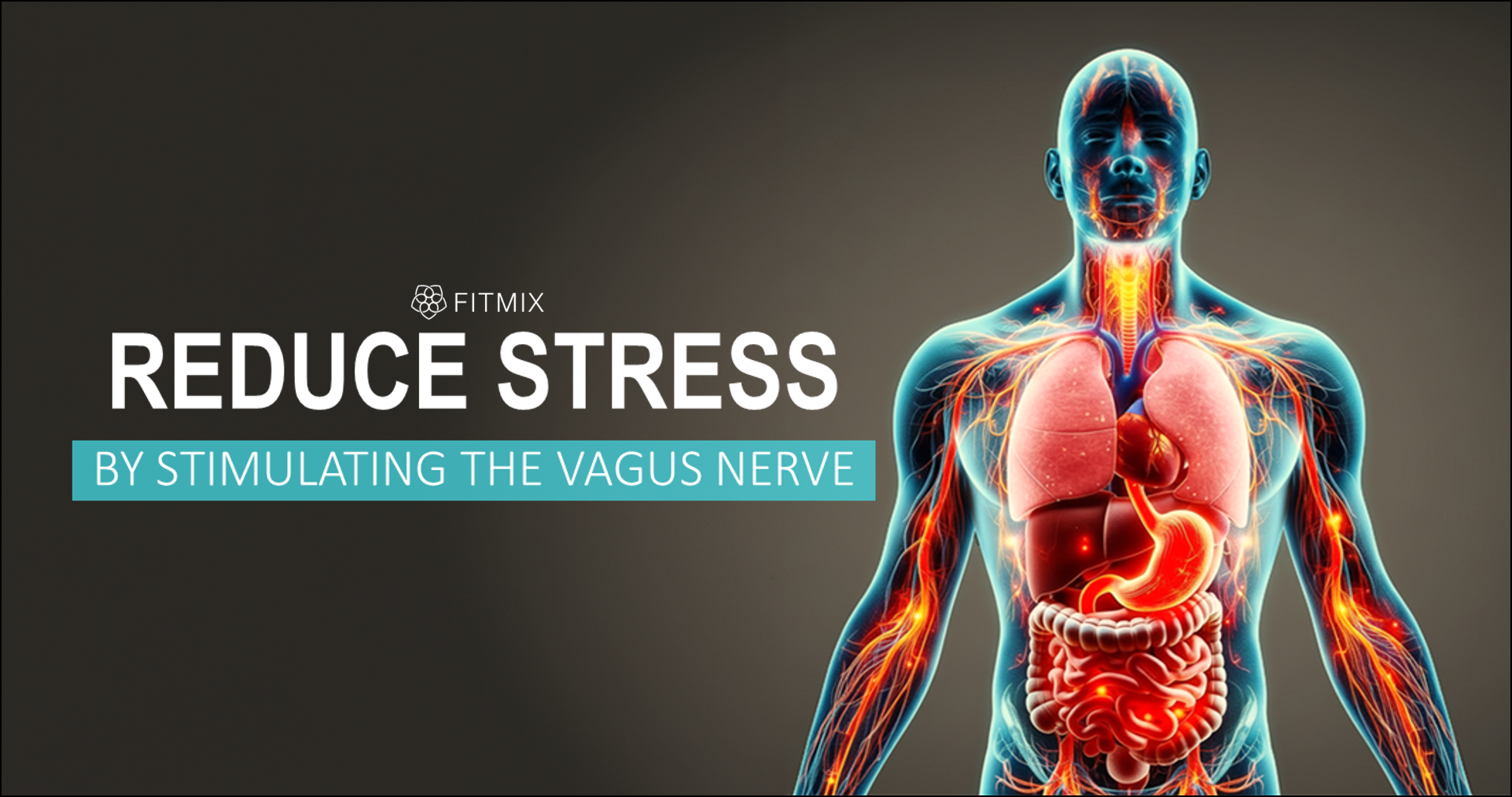
Reduce Stress by Stimulating the Vagus Nerve
Nov 23, 2025